
The American Express Gold Card: Why It Is the Perfect Companion to Your Blue Cash Preferred
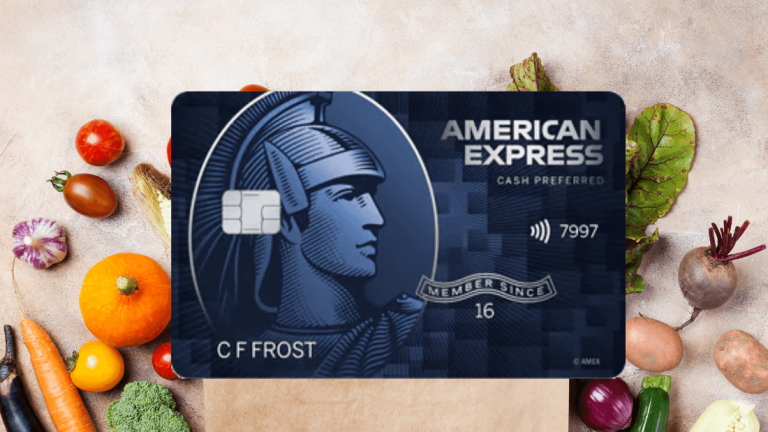
The American Express Gold card earns 4 points per dollar at restaurants worldwide and 4 points per dollar at U.S. supermarkets. If you already carry the Amex Blue Cash Preferred for groceries, gas, and streaming, the Gold card is the card that fills in every category the Blue Cash Preferred leaves on the table, specifically dining and travel.
This post contains affiliate links. If you apply through my links I may earn a commission at no extra cost to you.
Here is how the card works, what it earns, how to decide if the $325 annual fee is worth it for your lifestyle, and why I think these two Amex cards together cover almost every dollar a young professional spends.
What the American Express Gold Card Earns
The earning structure is built around food, whether that means cooking at home or eating out.
- 4 Membership Rewards points per dollar at restaurants worldwide, up to $50,000 in spending per year then 1x
- 4 Membership Rewards points per dollar at U.S. supermarkets, up to $25,000 in spending per year then 1x
- 5 points per dollar on prepaid hotels booked through AmexTravel.com
- 2 points per dollar on prepaid car rentals booked through AmexTravel.com
- 1 point per dollar on everything else
The annual fee is $325. The welcome offer is as high as 100,000 Membership Rewards points after spending $6,000 in eligible purchases within your first six months. Welcome offers vary and you may not be eligible for a specific offer, so verify the current offer directly on the American Express website before applying.
The Credits That Bring the Effective Annual Fee Down Significantly
The $325 annual fee sounds steep on paper but American Express offsets it with a stack of credits that bring the real cost down for anyone who uses them. As of May 2026 the credits include the following. Always verify current credits and enrollment requirements on the American Express website since these change periodically.
- $120 dining credit: up to $10 per month at Grubhub, Buffalo Wild Wings, Five Guys, The Cheesecake Factory, and Wonder. Enrollment required.
- $120 Uber Cash: $10 per month for U.S. Uber rides or Uber Eats. Must add card to Uber account.
- $100 Resy credit: up to $100 per year in statement credits after paying with the Gold card at qualifying U.S. Resy restaurants. Enrollment required.
- $84 Dunkin credit: up to $7 per month at Dunkin. Enrollment required.
- Complimentary Hertz Five Star status. Enrollment required.
If you use even half of those credits consistently the $325 fee gets offset in a meaningful way. The $120 dining credit and $120 Uber Cash together are worth $240 per year in statement credits, which already brings the effective cost of the card down to $85 before you factor in any rewards earned.
How Membership Rewards Points Actually Work
The Blue Cash Preferred earns cash back, which is simple and predictable. The Gold card earns Membership Rewards points, which are more flexible but require more understanding to get full value from.
Membership Rewards points can be redeemed as statement credits, used to pay for purchases, transferred to airline and hotel loyalty programs, or used at checkout on Amazon.com and other partners. The value you get per point varies significantly depending on how you redeem them. Most analysts put the value of a Membership Rewards point between 1 cent and 2.2 cents depending on the transfer partner.
For someone who travels a few times a year and wants to use points for flights or hotel stays, the transfer partner route tends to deliver the most value. For someone who just wants simplicity, redeeming points as statement credits at 0.6 cents per point is less valuable and probably not worth the complexity over a straight cash back card.
The honest answer is that if you are not going to engage with airline transfer partners the Blue Cash Preferred is probably more valuable for everyday spending because the 6% grocery cash back is a better return than 4 points per dollar at roughly 0.6 cents each, which works out to about 2.4% back when redeemed as a statement credit. If you do transfer points to travel partners the Gold card wins for restaurant and grocery spending.
Why These Two Cards Work So Well Together
The reason I think about these two cards together is that they cover all the major spending categories for a young professional without any meaningful overlap or gap.
The Blue Cash Preferred handles groceries at 6% cash back, all streaming subscriptions at 6%, and gas at 3%. These are your recurring at-home expenses that happen every week without thinking about it.
The Gold card handles every restaurant meal in the world at 4 points per dollar, travel booked through Amex at 5 points per dollar, and provides the stack of dining and lifestyle credits that partially offset its higher annual fee.
Together the two cards mean you are almost never earning 1% on anything meaningful. Groceries: Blue Cash Preferred. Restaurants: Gold. Gas: Blue Cash Preferred. Streaming: Blue Cash Preferred. Travel: Gold. That is a comprehensive setup that requires minimal optimization and earns at premium rates across your entire budget.
If you want the full breakdown of what the Blue Cash Preferred earns on groceries, gas, and streaming, I cover that in the companion article linked below.
[INTERNAL LINK: The American Express Blue Cash Preferred Card Is the Best Credit Card for Groceries, Gas, and Streaming in 2026]
Is the $325 Annual Fee Worth It
The math works if you are someone who eats out regularly and uses the dining credits consistently. Here is a simple framework for thinking about it.
If you use the $120 dining credit fully you are at $205 effective annual fee. If you use the $120 Uber Cash you are at $85 effective annual fee. If you use the $100 Resy credit you are at a negative $15 effective annual fee before a single rewards point is earned. You are essentially getting paid to hold the card if you engage with the credits.
The challenge is that the dining credit requires spending at specific partner restaurants every month, the Uber Cash requires adding the card to your Uber account and actively using it, and the Resy credit requires dining at Resy restaurants specifically. If your lifestyle does not naturally align with those partners you will not redeem the credits efficiently and the fee will feel heavier than it should.
For a young professional who already orders Uber Eats a few times a month, eats at restaurants regularly, and would use Dunkin or grab takeout occasionally from Grubhub, the credits practically pay for themselves without changing any behavior.
Who the American Express Gold Card Is For
Right for you if: You eat at restaurants frequently, you already use Uber or Uber Eats, you travel a few times a year and want to earn points for it, and you can realistically use the dining credits at the partner merchants.
Not right for you if: You rarely eat out, you do not use Uber, you have no interest in Membership Rewards points or travel redemptions, or you cannot use the dining credits consistently enough to justify the fee.
Quick numbers:
- Annual fee: $325
- Earning rate at restaurants: 4x Membership Rewards points worldwide
- Earning rate at U.S. supermarkets: 4x Membership Rewards points up to $25,000 per year
- Credits available: up to $424 in annual credits if you use them all
- Welcome offer: as high as 100,000 Membership Rewards points, verify current offer before applying
- Foreign transaction fee: none
Rates, fees, offer terms, and credit partners are subject to change. Always verify current terms on the American Express website before applying. Membership Rewards point values vary based on redemption method. This article is for informational purposes only and is not financial advice. I am not a licensed financial advisor. Always make your own decision based on your individual financial situation.
Related: [LINK: The American Express Blue Cash Preferred Card Is the Best Credit Card for Groceries, Gas, and Streaming in 2026]
One Comment