SpaceX and OpenAI Are Going Public. Here Is What Every Young Investor Needs to Know Before June 12.
The SpaceX S-1 went public yesterday. The roadshow starts June 4. The stock is expected to start trading June 12 under the ticker SPCX on the Nasdaq. And OpenAI is right behind it targeting a fourth quarter listing at a valuation approaching $1 trillion. If you have been paying attention to the AI and investing space at all, you already know this is a big deal. But most of what I am seeing written about it is either pure hype or so technical it loses the average young investor entirely.
I am not going to tell you to buy either of these stocks. What I am going to do is give you the actual numbers, explain what makes this moment genuinely unprecedented, and help you think through what it means for your portfolio as a young professional still in the early stages of building wealth.
This post contains affiliate links. If you sign up through my links I may earn a commission at no extra cost to you.
IMPORTANT DISCLAIMER: I am not a licensed financial advisor. Nothing in this article is financial advice. This is my personal analysis based on publicly available information including the SpaceX S-1 filing published May 20, 2026. I am not responsible for any financial decisions you make. All investing involves risk including the possible loss of principal. Past performance does not guarantee future results. Always do your own research and consult a licensed financial professional before making any investment decisions.
What Is Actually Happening and When
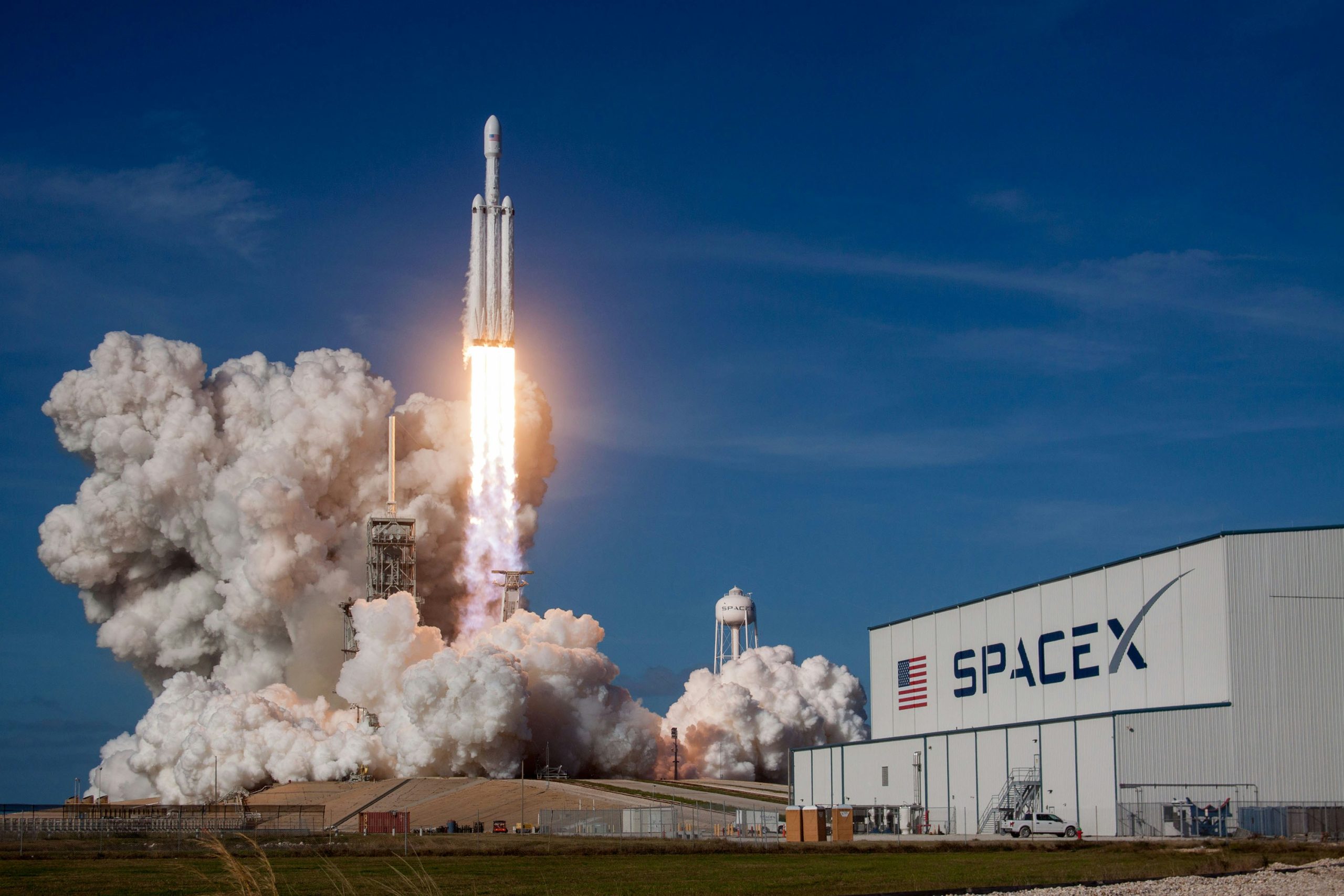
SpaceX filed its S-1 confidentially on April 1, 2026, made it public on May 20, and is targeting a $1.75 trillion valuation with plans to raise $75 to $80 billion in what would be the largest IPO in US history. Goldman Sachs is leading a 21-bank underwriting syndicate. The roadshow begins the week of June 4, pricing is targeted for June 11, and trading starts June 12.
OpenAI is a different story. The company filed confidentially and is targeting a fourth quarter 2026 listing at a valuation approaching $1 trillion. Its most recent private funding round valued it at $852 billion, making it the most valuable private company in US history. Revenue soared 225% to $13 billion in 2025 and the company says revenue will more than double again in 2026. The catch: it does not expect to turn a profit until 2030.
And then there is Anthropic, which makes the AI models powering a significant portion of what you read online right now, targeting an October 2026 debut with plans to raise over $60 billion. The combined fundraising across all three could approach $240 billion, a number that has no modern parallel in equity markets.
Why This Is Different From Any IPO You Have Ever Seen
To put the scale in perspective: SpaceX at $1.75 trillion would be more valuable than every company in the S&P 500 except Apple and Microsoft. It would be worth more than Amazon, Alphabet, and Meta combined. And it has never traded publicly. Nobody outside of private investors and employees has had access to it.
SpaceX is not one thing either. It is Falcon 9 rockets, which now dominate global commercial launch. It is Starlink, a satellite internet business serving millions of customers worldwide. It is SpaceX AI, which is a standalone AI operation building on top of the hardware and data advantages that come with running the world’s most active launch platform. Trying to value all three of those businesses simultaneously is genuinely difficult even for professional analysts.
The historical context matters too. Since 2000, nearly 4,000 companies have held IPOs on US exchanges. Those stocks gained an average of 30% on their first trading day. However, the initial excitement generally fades quickly as early investors take profits. The companies that look like the clearest wins on IPO day are often the worst performers in the following 12 months because the valuation already reflects enormous optimism.
The Honest Concerns Worth Understanding
Three things stood out to me reading through the available information on both companies that I think deserve more attention than they are getting in the mainstream coverage.
First, SpaceX is seeking a valuation of $1.75 trillion at a time when only one stock in the entire S&P 500 trades at a more expensive valuation relative to sales. That is Palantir at 75 times sales. SpaceX and OpenAI would likely land in that same neighborhood. That is not automatically a reason to avoid them but it is a reason to understand exactly what you are buying and what growth you are implicitly expecting.
Second, the concentrated demand problem is real. Three companies potentially raising a combined $240 billion in a single calendar year could strain market liquidity and pull capital away from other investments. Some analysts believe this could create short-term pressure on other large-cap names as institutional investors rebalance their portfolios to make room.
Third, OpenAI does not expect to turn a profit until 2030. You would be paying close to $1 trillion today for a business that loses money and will continue losing money for at least four more years. That does not mean it is a bad investment. Amazon lost money for years too. But it means you are making a very long-term bet on a future that is not guaranteed.
What This Means for a Young Professional Investor
Here is how I am thinking about it for someone in my position: early career, investing consistently, long time horizon, not trying to time markets.
If SpaceX and OpenAI are as transformative as their supporters believe, you will eventually benefit from owning them through index funds without doing anything. Both companies will almost certainly be added to major indices after listing, which means your S&P 500 or total market ETF exposure will include them automatically. That is the passive case for doing nothing differently.
If you want to take a more active position, the question is not whether these are great companies. They probably are. The question is whether the current asking price already reflects everything you know about how great they are. At $1.75 trillion, SpaceX needs to deliver on Starlink growth, Starship development, and AI monetization simultaneously, on schedule, for years. A lot has to go right.
My personal approach is to continue maxing my index fund contributions through platforms like Webull and let the index rebalancing handle the SpaceX and OpenAI exposure automatically once they list. I am also watching how the roadshow pricing lands relative to the rumored valuation range because that gap will tell you a lot about whether there is room for the stock to run or whether it is priced to perfection before trading even begins.
If you want to track the roadshow data, analyst commentary, and institutional sentiment as it develops, Seeking Alpha is where the serious analysis will live. The free tier gives you news. The premium tier gives you quant ratings and deeper earnings analysis that is worth the price if you are making meaningful investment decisions.
The Kalshi Angle: You Can Actually Trade the Outcome
Here is something genuinely interesting that most personal finance writers are not covering. Kalshi, the CFTC-regulated prediction market, will almost certainly list event contracts around the SpaceX IPO. That means you can trade yes or no contracts on specific outcomes: will SPCX close above its IPO price on day one, will SpaceX price above or below a certain valuation, will trading begin before a certain date.
Prediction markets are genuinely useful for understanding where informed money thinks an event will go. The price of a contract directly reflects the collective probability estimate of the market. A contract trading at 73 cents means the market collectively believes there is a 73% chance that outcome occurs.
I have been approved as a Kalshi affiliate and have been exploring the platform. It is federally regulated, which matters. If you want to follow along or explore the SpaceX IPO contracts specifically, my link is below. You get a bonus when you sign up and make your first trade.
[AFFILIATE LINK: Kalshi SPY and IPO prediction markets]
The Bottom Line
SpaceX and OpenAI going public in the same year is a genuinely historic moment. The scale, the valuations, and the simultaneous listing of three AI-adjacent giants has no modern parallel. Whether that makes them good investments at these prices is a different question entirely.
What I know for certain is that this IPO window will generate enormous media coverage, enormous hype, and enormous pressure on retail investors to act quickly before they miss out. The FOMO around SpaceX will be real and intense. The best thing you can do before June 12 is understand the numbers clearly, know your own risk tolerance, and have a plan that is not driven by the noise.
I will be writing follow-up pieces as the roadshow data comes in and as OpenAI’s S-1 becomes public. If you want to track it with better tools than free news sites, the links below are where I do my own research.
[AFFILIATE LINK: https://www.tradingview.com/?aff_id=166835]
FULL LEGAL DISCLAIMER: I am not a licensed financial advisor, broker, dealer, or investment professional of any kind. Nothing written in this article constitutes financial advice, investment advice, trading advice, or any other type of professional advice. This article is for informational and educational purposes only based on publicly available information. I am not responsible for any financial losses, gains, or decisions made by readers of this blog. All investment decisions carry risk including the possible loss of your entire investment. The SpaceX S-1 information referenced in this article is sourced from publicly filed SEC documents and published news reports. IPO timelines and valuations are reported figures subject to change. Past performance of any security does not guarantee future results. Kalshi is a CFTC-regulated prediction market exchange. Trading on Kalshi involves financial risk. Always read all terms and conditions before participating. Always conduct your own due diligence and consult a licensed financial professional before making any investment decisions. Affiliate links are present in this article and I may earn a commission if you sign up through them at no additional cost to you.
Related: [LINK: Nvidia Just Reported Its Biggest Quarter Ever. Here Is What It Means for AI and Your Portfolio]